
How did you hear about this job opportunity? “AI.”
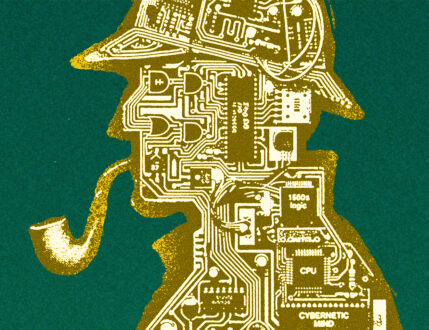
To say AI has changed what, when and how much a candidate discovers about a potential employer is a vast understatement. Job-matching tools, Glassdoor scrapers, LinkedIn signal aggregation. By the time a candidate clicks apply, they’ve already formed an opinion. Not based on your careers page but based on everything else.
Your employer brand is no longer what you publish. It’s what AI is assembling on your behalf.
During times like these, I’m grateful for the network I’ve built over the past twenty years. Reaching out to several friends in the talent attraction industry over the past several months, I’ve been fortunate to gather some great insights from some of the country’s most complex organizations. My conversations kept coming back to three key points, and all of them are worth your attention.
The “talent shortage” is a mismatch. And AI is making it impossible to hide.
The talent shortage has been a major topic of discussion in fields like engineering, healthcare and finance for more than twenty years. To make a long story short, in most cases it’s not a shortage. It’s a gap between what organizations are asking for and what available talent is willing to do.
Christine McKenzie, Associate Director of Talent Acquisition at Merck, sees it play out in the way organizations define “qualified.”
“As roles evolve and needs change, organizations could choose to focus on identifying which skills and capabilities are transferable across roles. In this approach, hiring becomes less about deep subject-matter expertise and more about evaluating traits that can translate effectively, paired with training to build technical knowledge. This benefits employers by improving company fit and long-term retention, and it benefits employees by giving them opportunities to grow throughout their careers.”
When candidates can compare hundreds of job postings in minutes using AI tools, organizations that haven’t updated their value proposition get filtered out before a human ever enters the picture. The mismatch that was previously invisible is now the FIRST thing candidates see.
If your job description hasn’t been updated within the past 18 months, it might as well say, “We haven’t changed and we don’t intend to.” Today, it’s more important than ever to present your employer brand through the voices of your team members with a focus on what’s in it for the candidate, not what the organization is hoping to get out of the employee.
Employer brand is not what you publish. It’s what candidates experience.
Most organizations treat employer brand like a marketing problem. Craft the EVP. Build the careers page. Post the employee spotlights. And then they’re baffled when none of it moves the needle.
Mary Castro, Head of Employer Branding at Kenvue, has rebuilt her strategy around this reality.
“Employer brands grow from within, aligning the candidate and employee experience through intentionality, transparency and authenticity. When employees are encouraged to tell their stories, it positively influences both internal culture and external reputation.”
Employee-generated content isn’t a tactic. It’s a trust signal. And right now, it’s one of the few things an AI-enabled candidate will actually believe.
The thing is most organizations get this wrong because they treat brand as a veneer. In other words, like something applied to the front of the hiring process in hopes that candidates won’t look behind it.
The strongest employer brands aren’t built in marketing. They’re built in every interaction. The entire package. Every recruiter interaction. Every interview. Every delay in getting back to a candidate. Every offer letter. All of it is your employer brand. If that gap exists in your organization, and I’d bet it does in most, AI will find it. Candidates will find it. And they will tell others.
AI should make you more human. Not less.
Here’s where I frequently see organizations making the most dangerous mistake. They automate the parts of recruiting that candidates actually care about and keep humans on the administrative work. They get faster without getting better.
Christine McKenzie names exactly what’s at stake.
“As our AI tools get more advanced, the human side of recruiting becomes even more important. Emotional intelligence is what helps us understand what people really need, build trust quickly and create the kind of honest, two-way conversations where candidates feel comfortable showing who they are. AI will help us work smarter, but emotional intelligence is what will keep our work meaningful.”
There’s nothing to gain, for example, by freeing up a recruiter from three hours of administrative work when they spend that time moving faster through their pipeline instead of going deeper with candidates. The organizations that win the next decade of talent attraction won’t be the ones that automated the most. They’ll be the ones that used automation to become MORE human, not less.
Keep the promise.
Employer brand isn’t marketing-created sales points. It’s a promise that everything you do either keeps or breaks. AI just makes the gap visible faster than ever before.
I start many conversations with a new client by asking, “If a candidate used an AI tool to research your organization today, what signals would they find? Will they find real stories and testimonials from employees they feel they can trust, or more corporate speak and bad reviews?”
I hope these insights provided you with some new answers, or at the very least opened your perspective to some new paths to investigate. When it comes to optimizing AI, the industry is still very much “figuring it out.” Great insights often spark even better questions, and asking the questions is what will get us a lot closer to where we want, and need, to be.